Ketubah styles

Traditional Ketubahs

Classical ornament, illuminated borders and time-honored layouts.

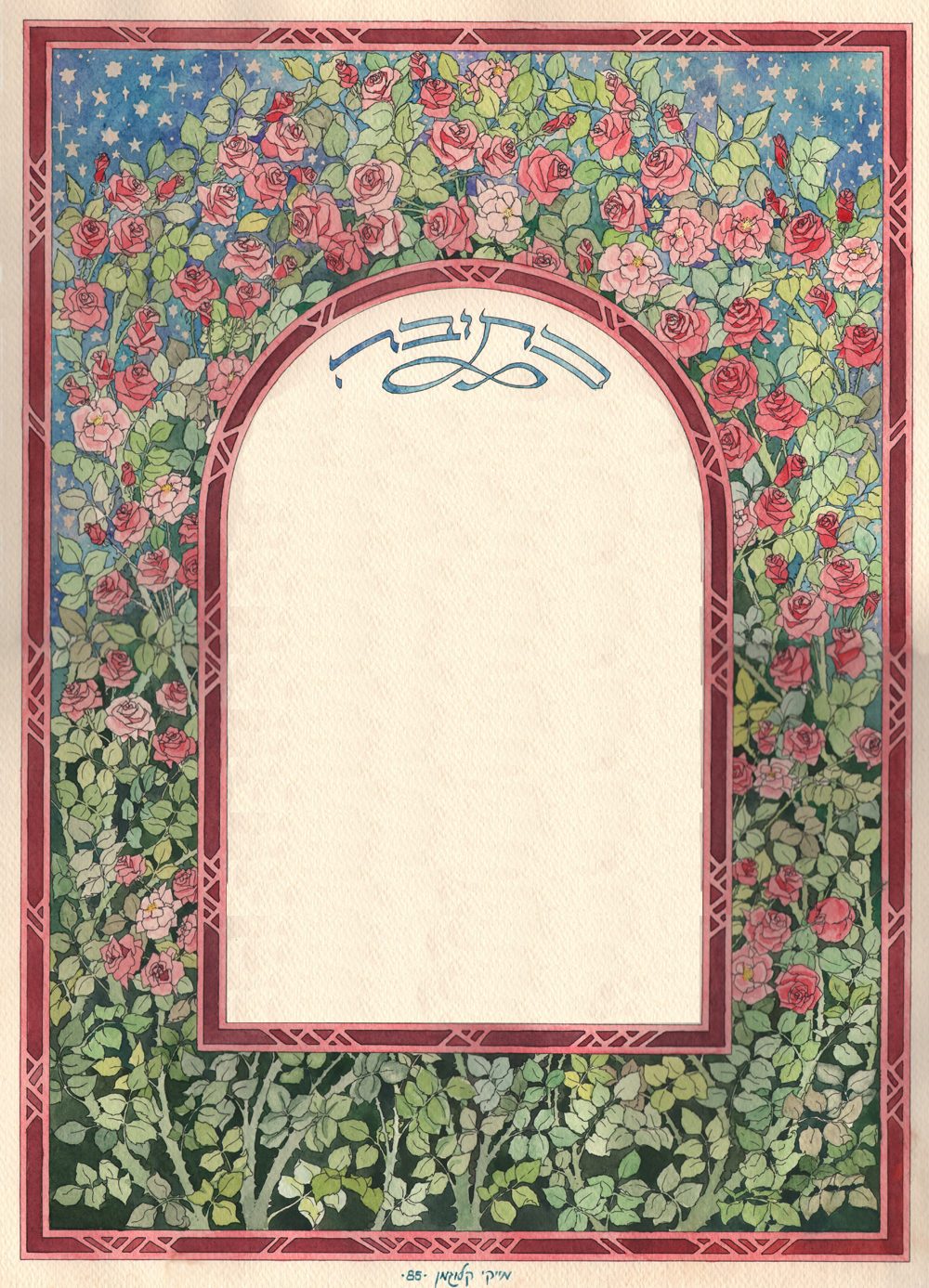
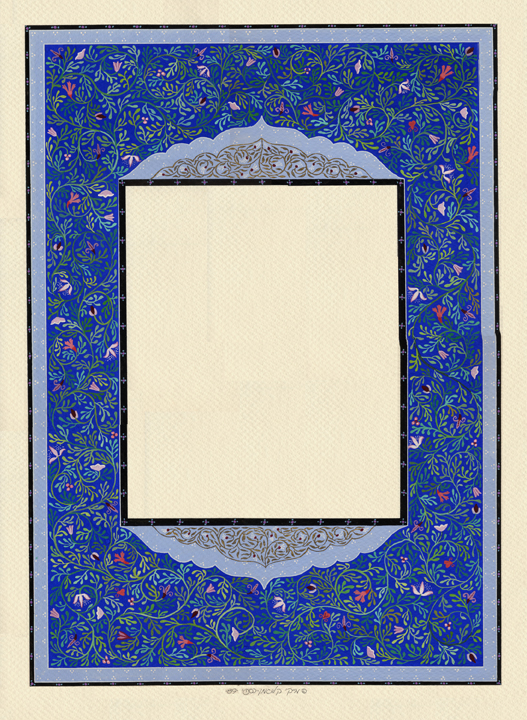
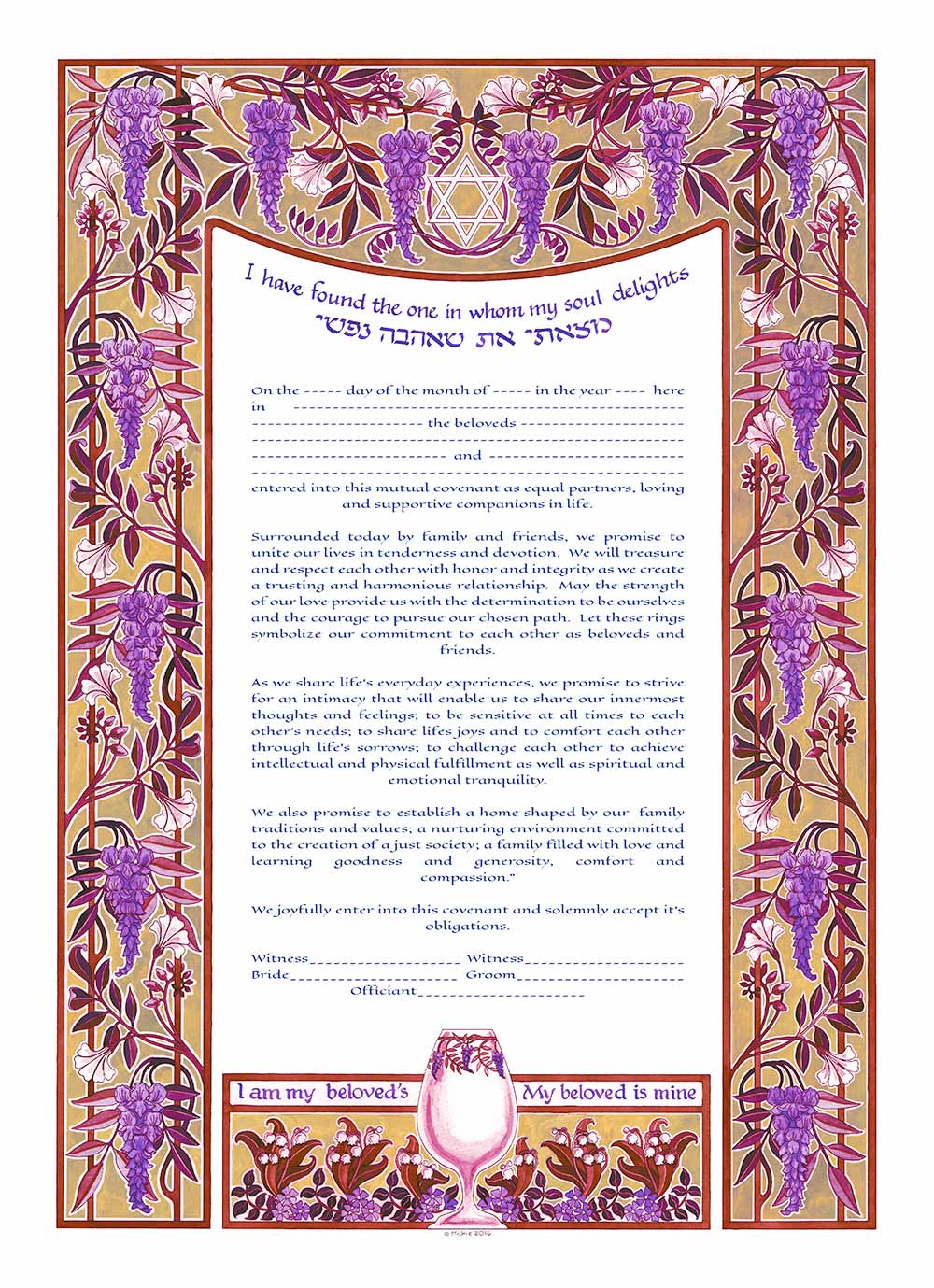
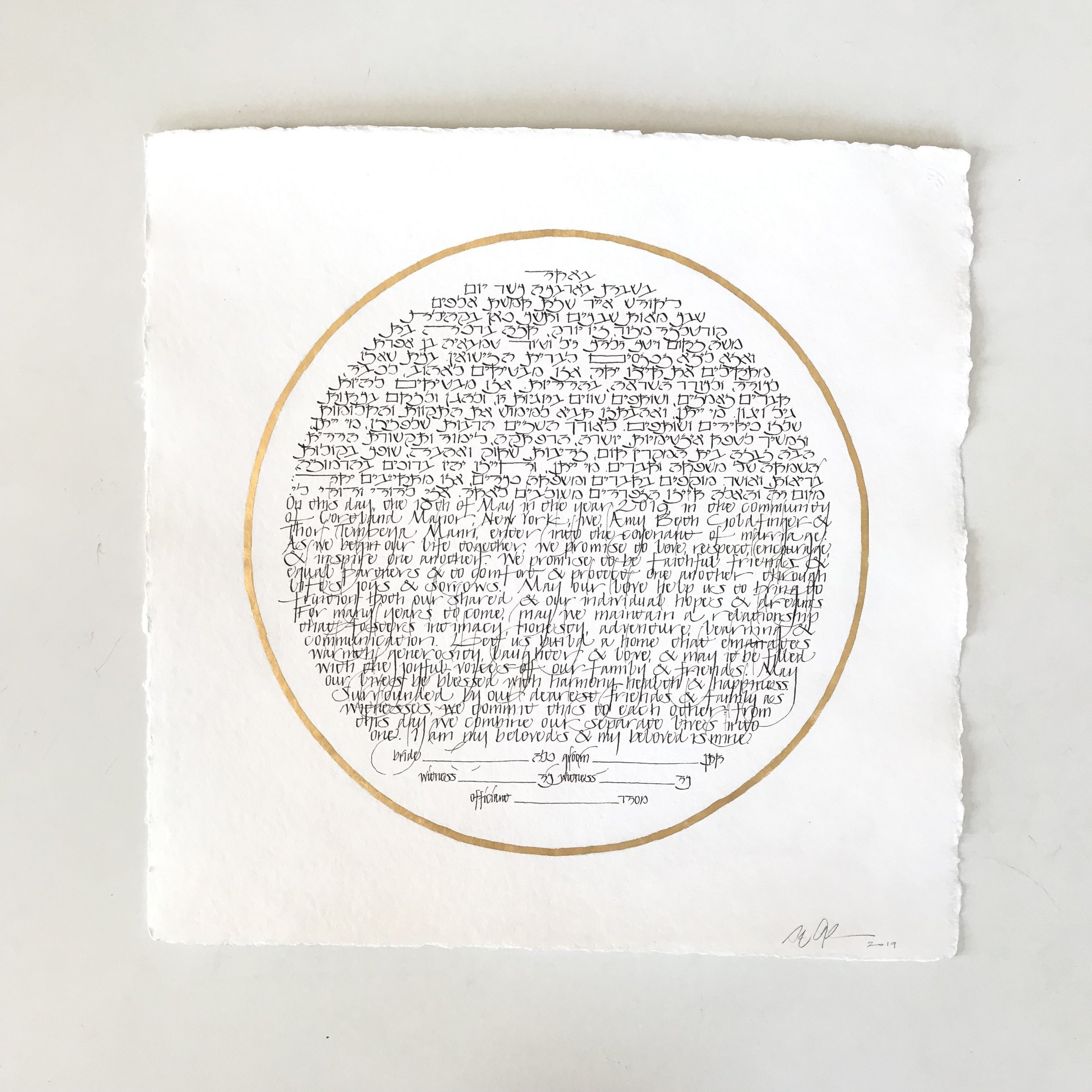
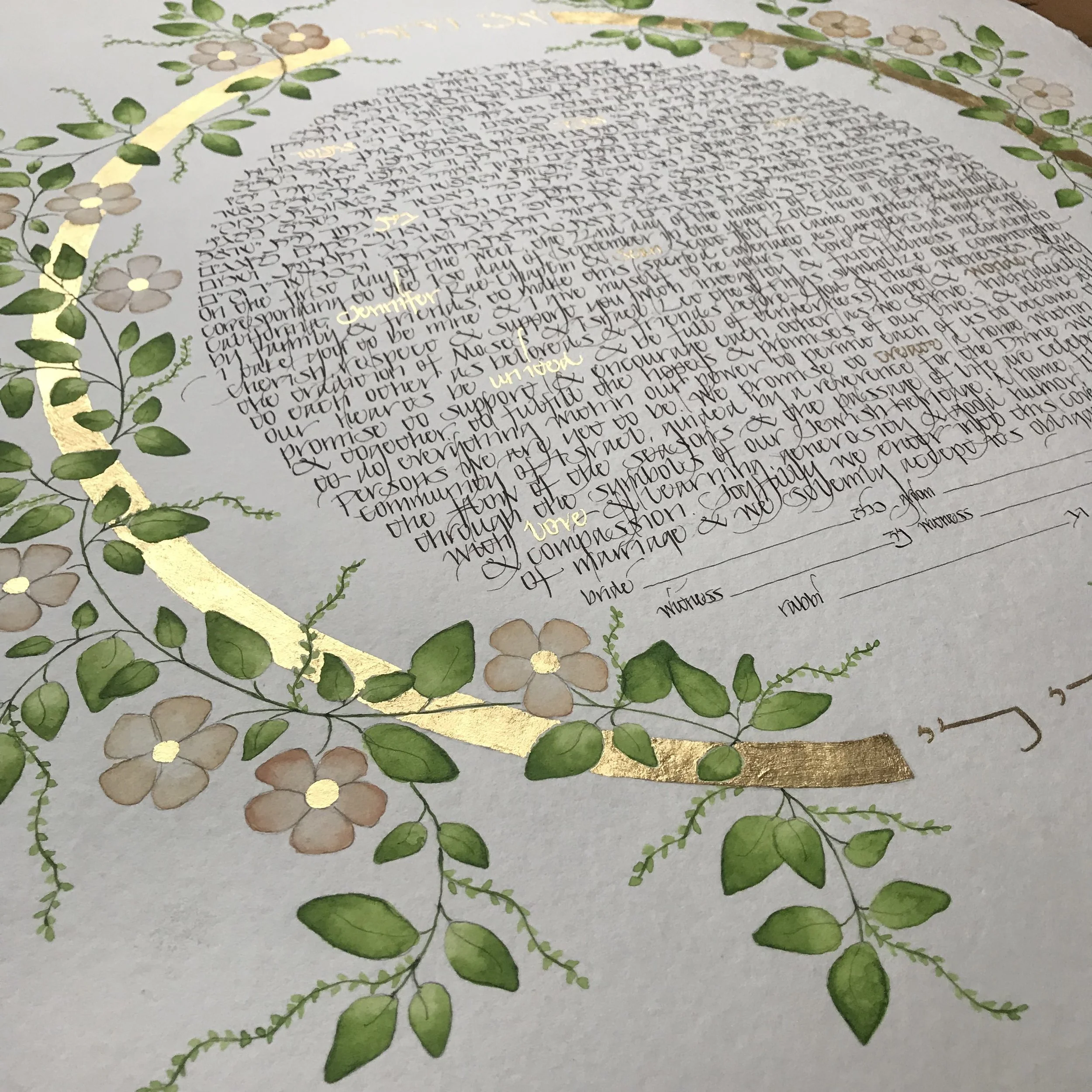
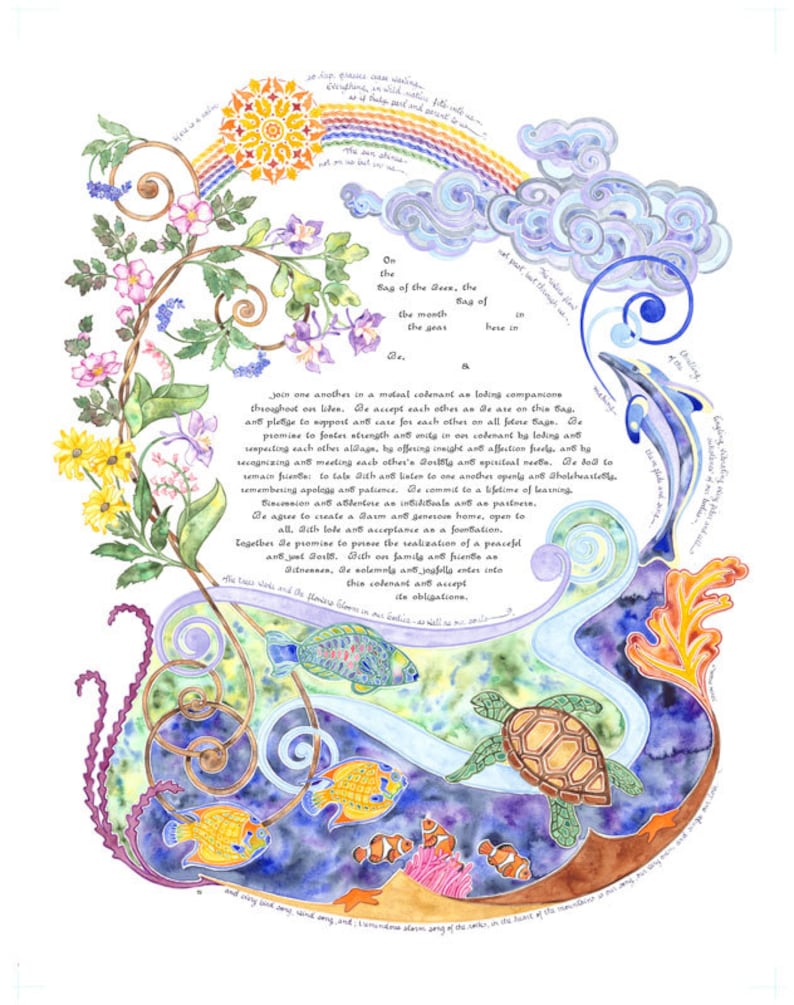
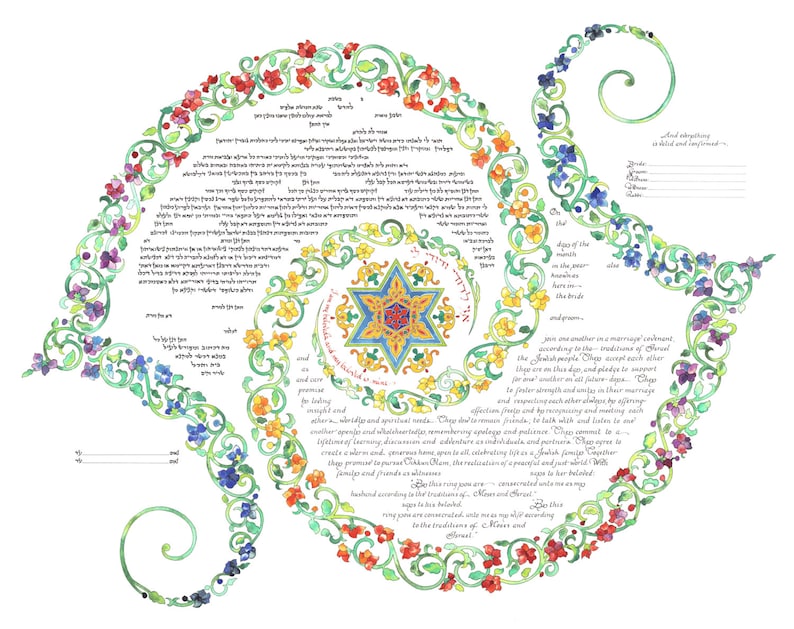
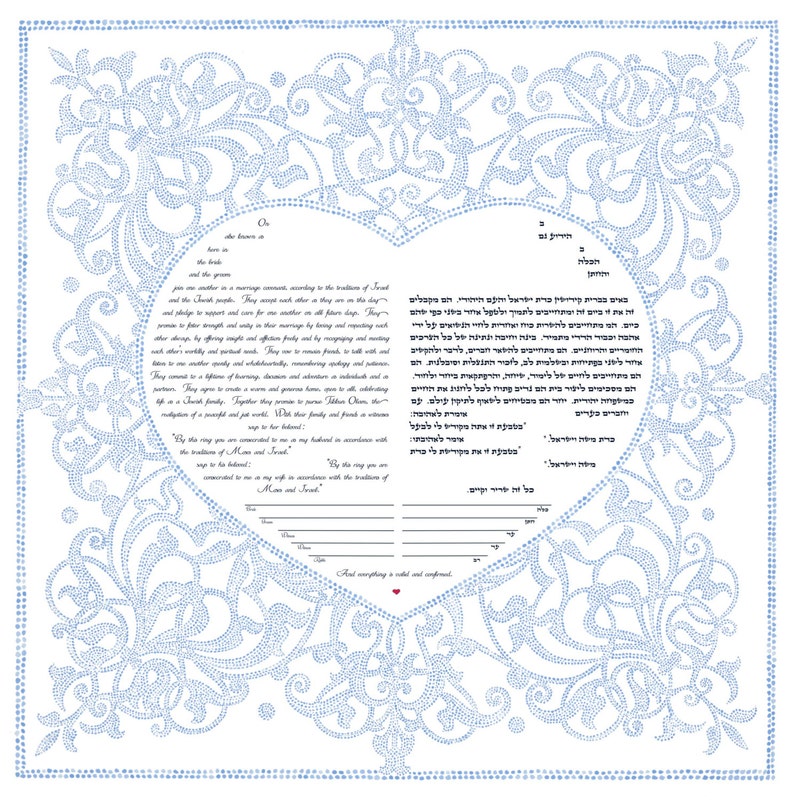
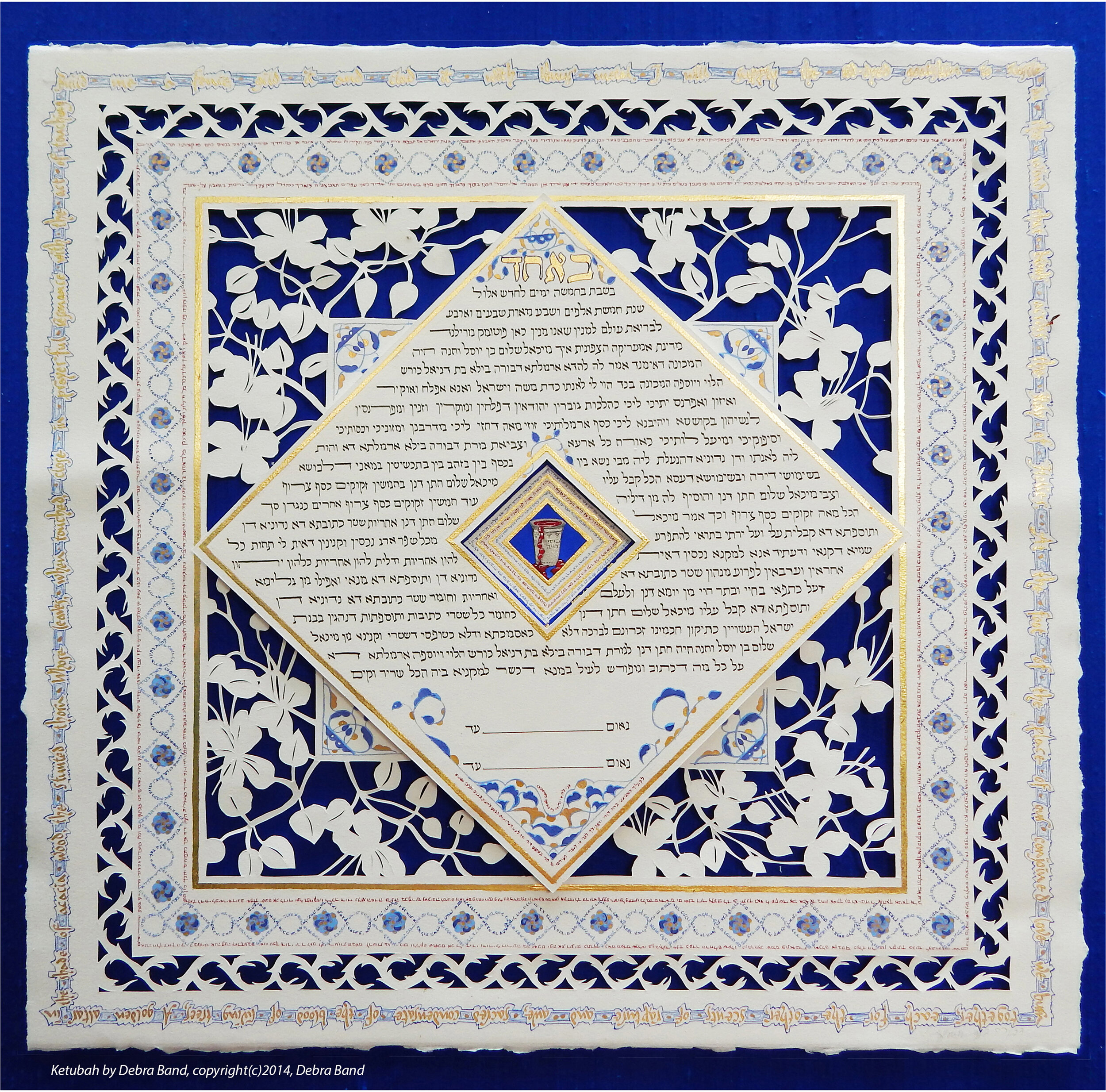
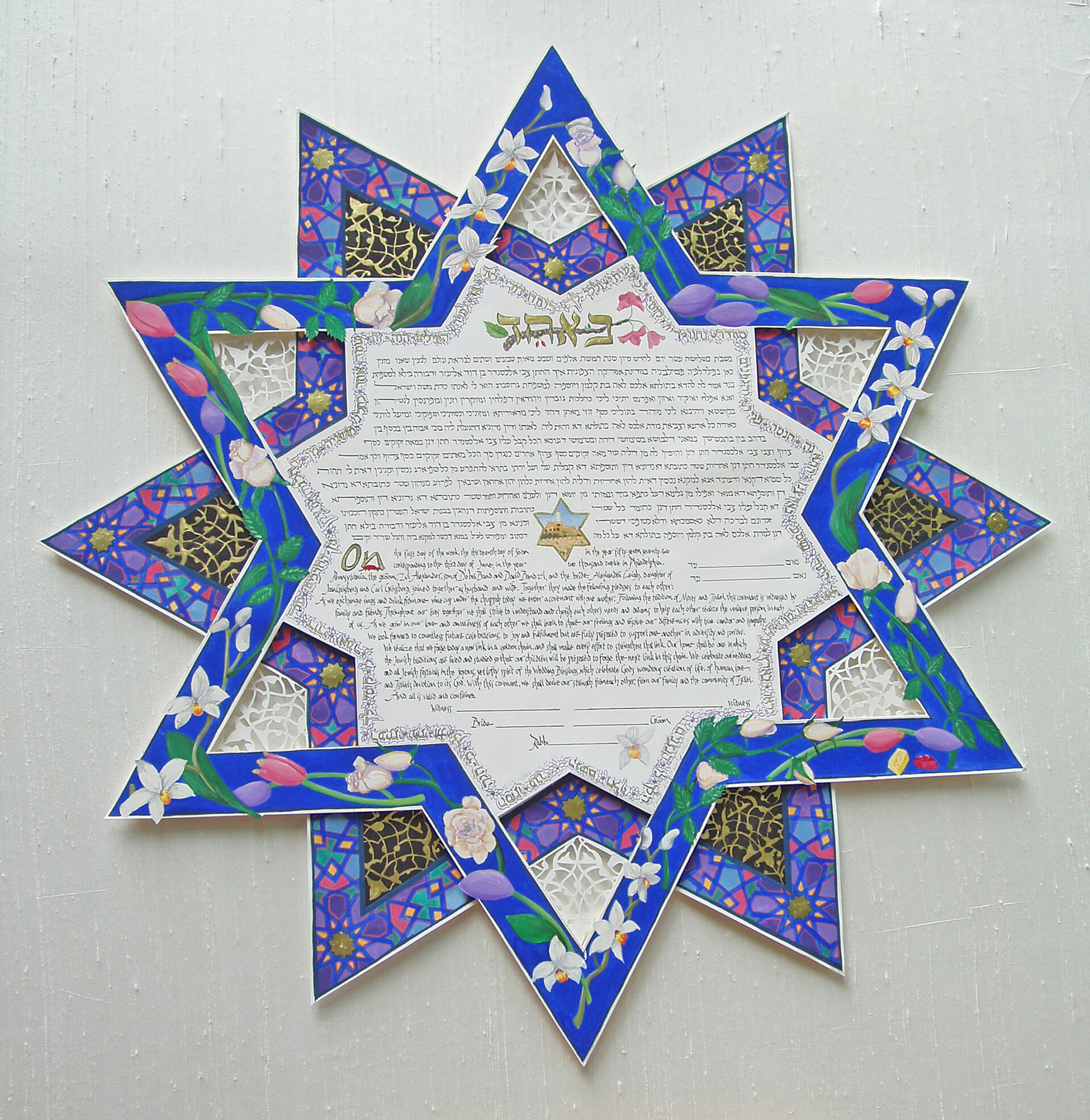
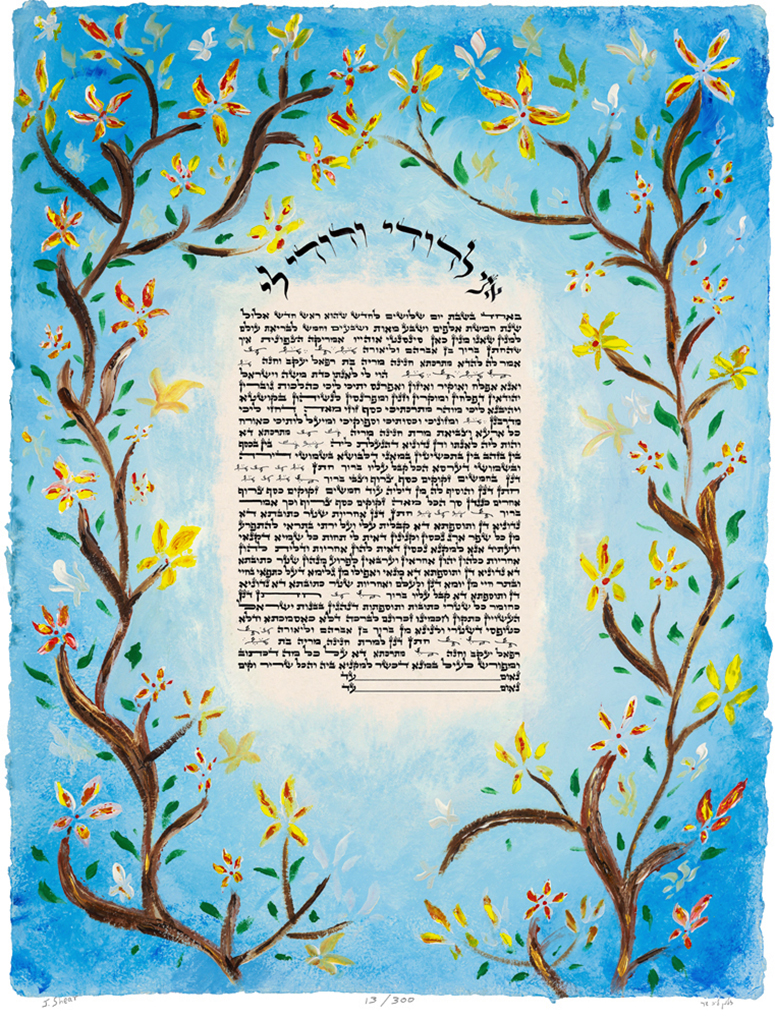
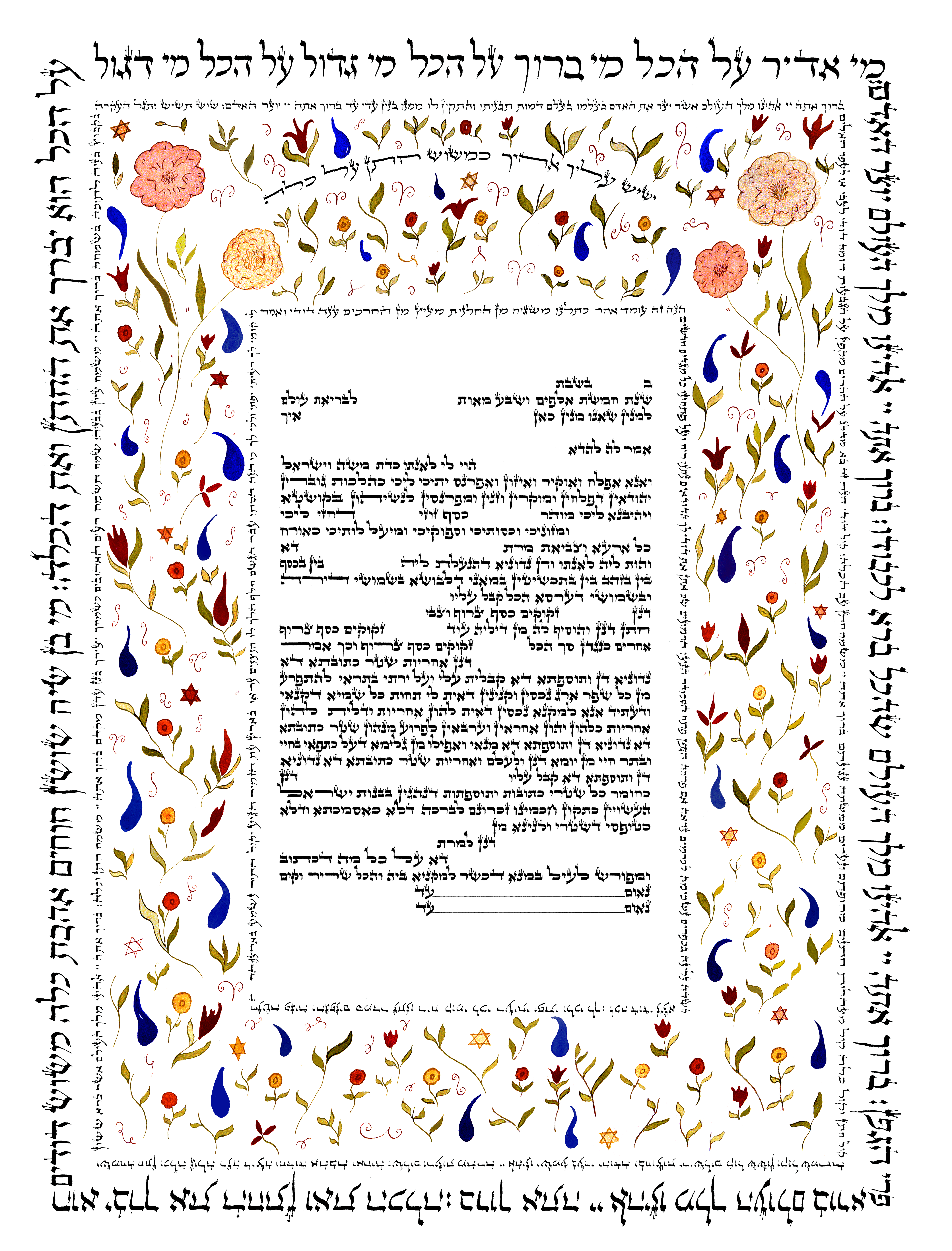
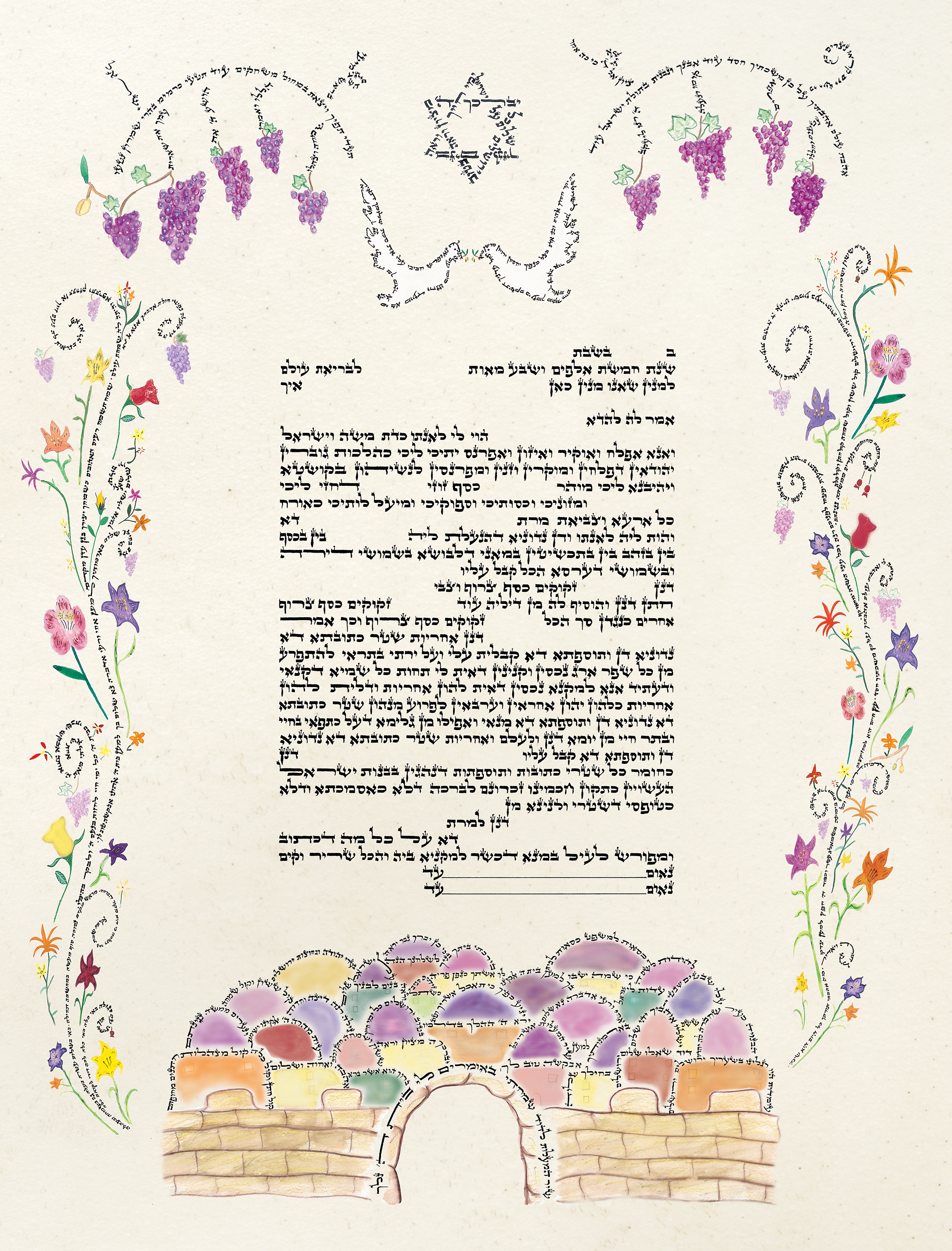
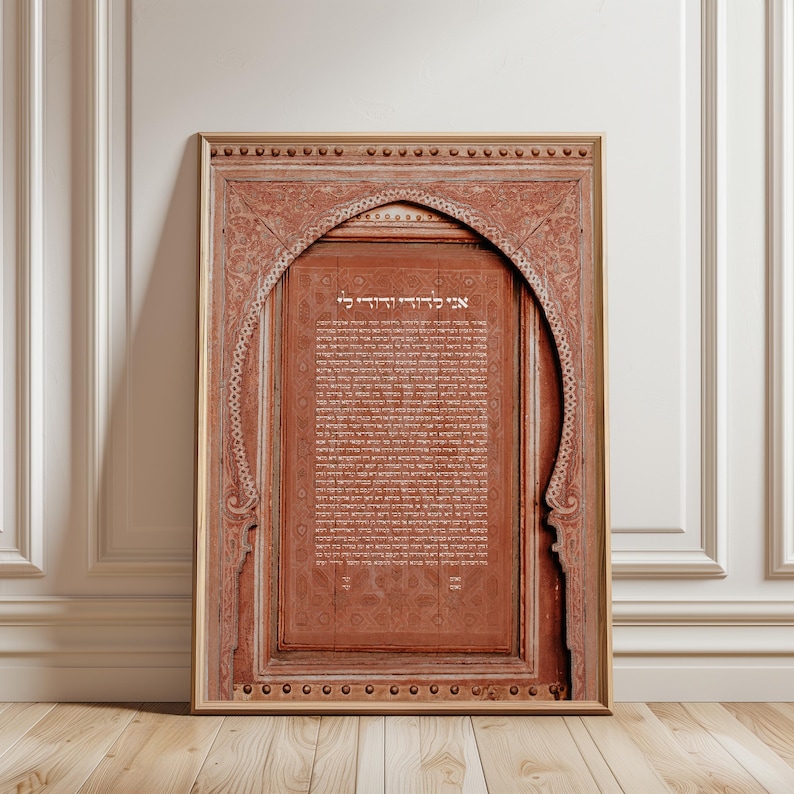
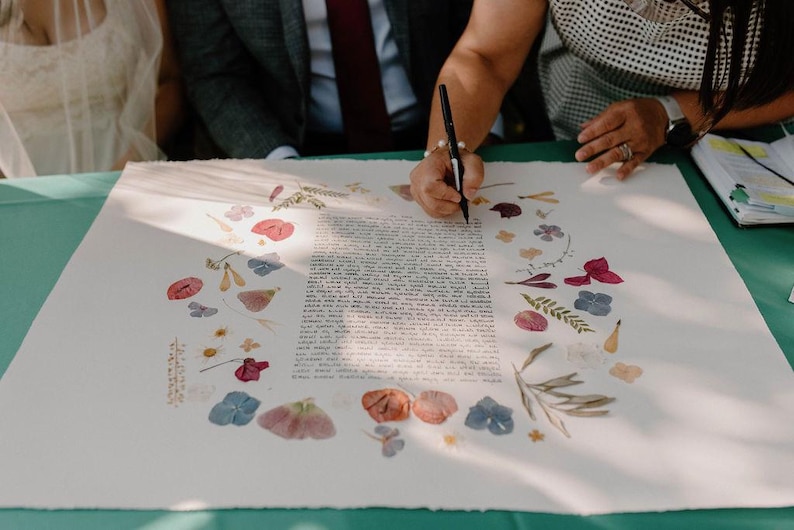
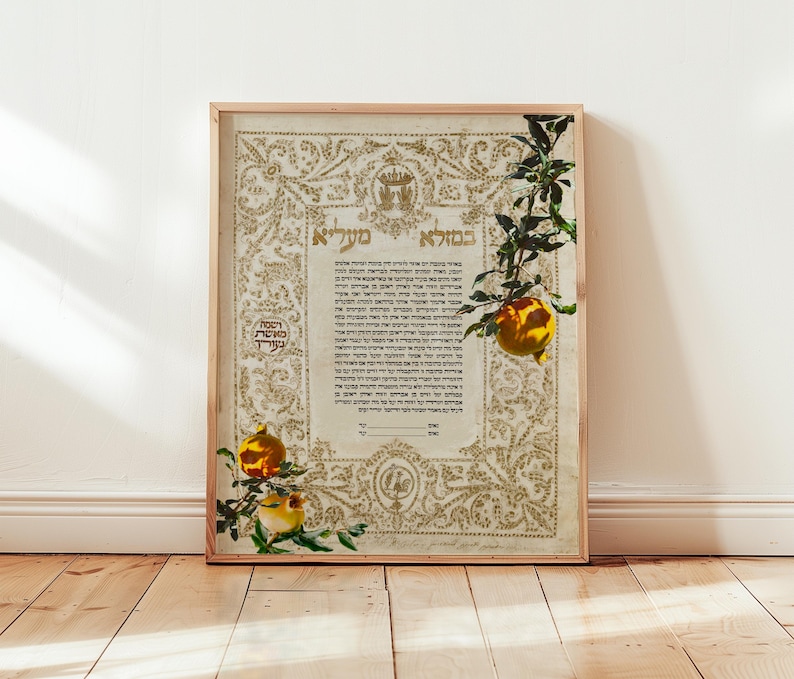
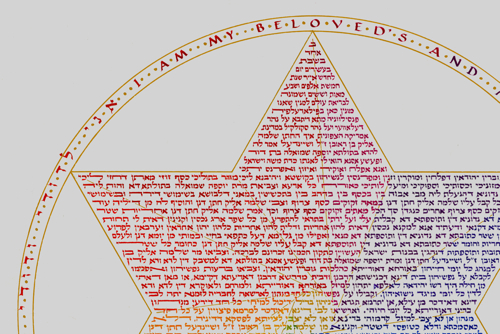
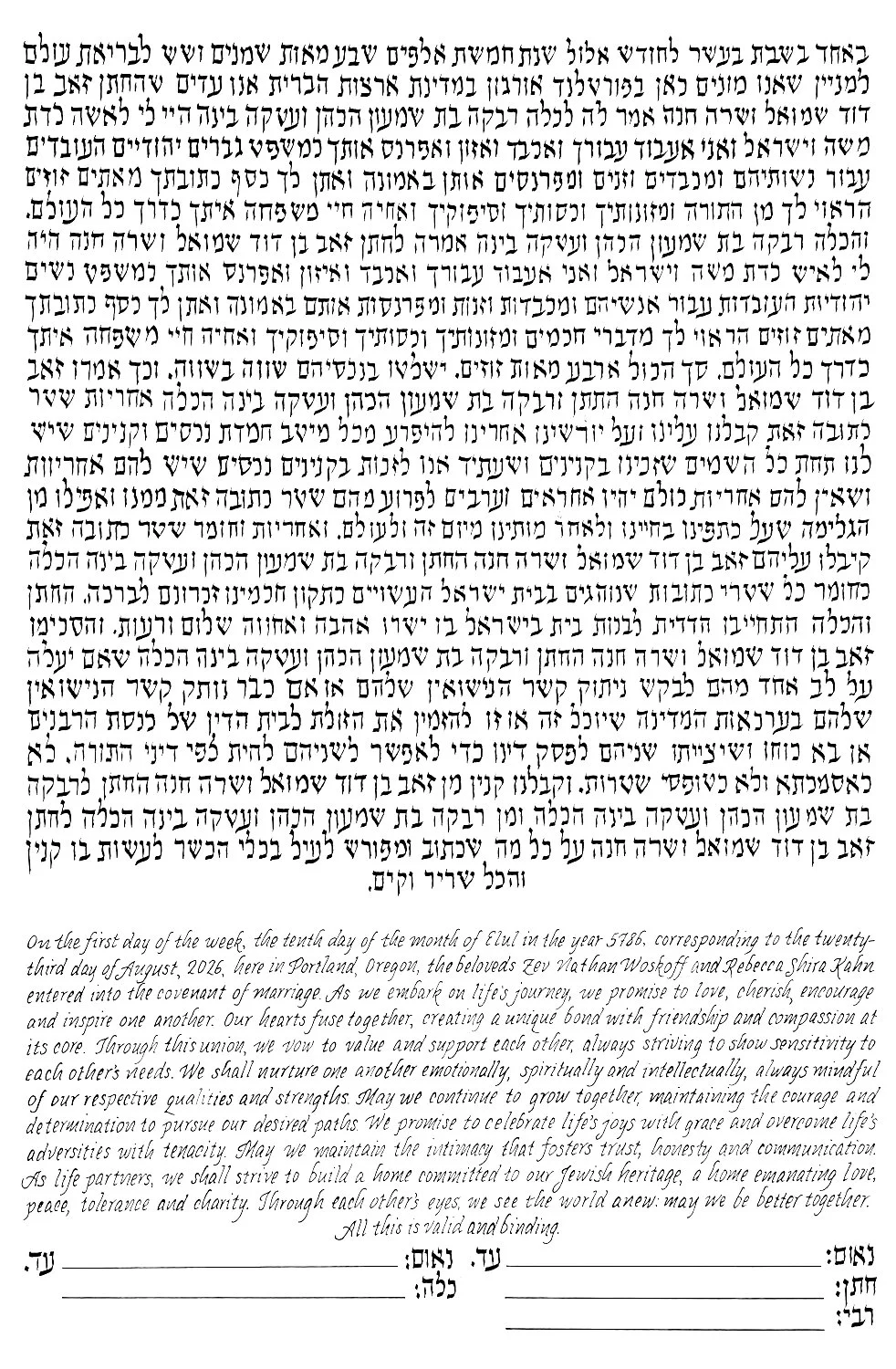
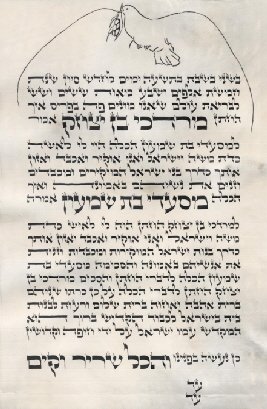
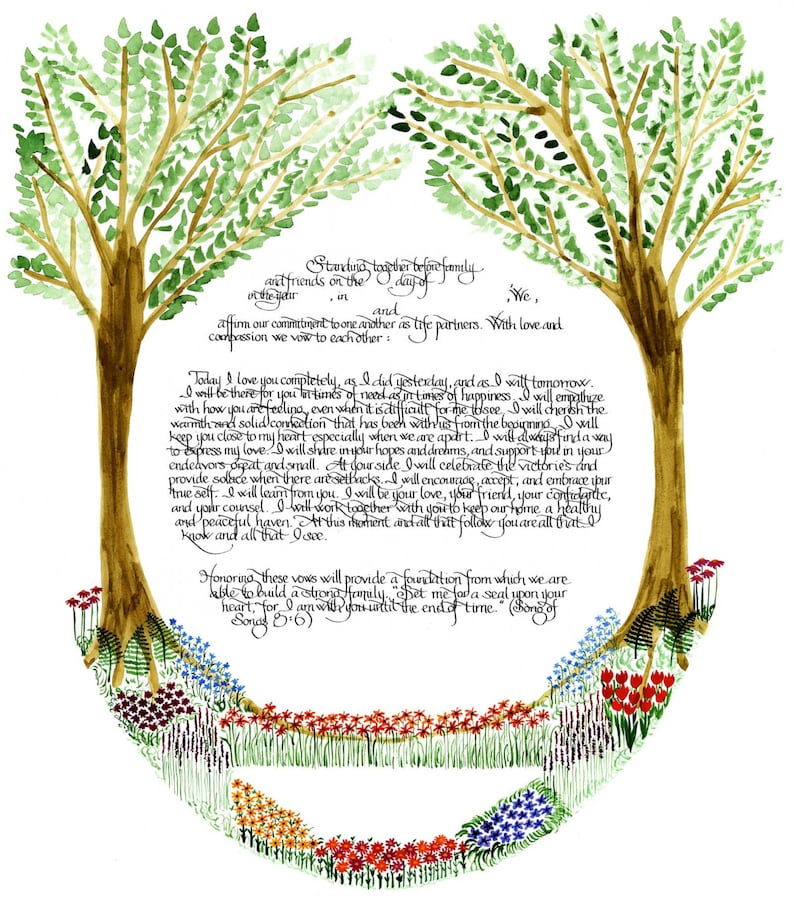
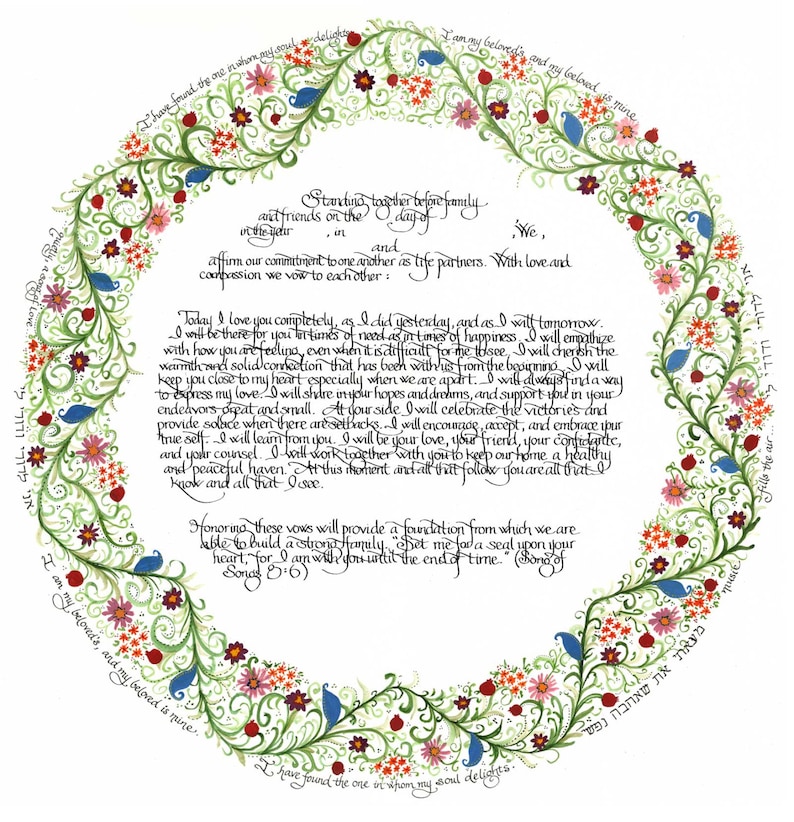
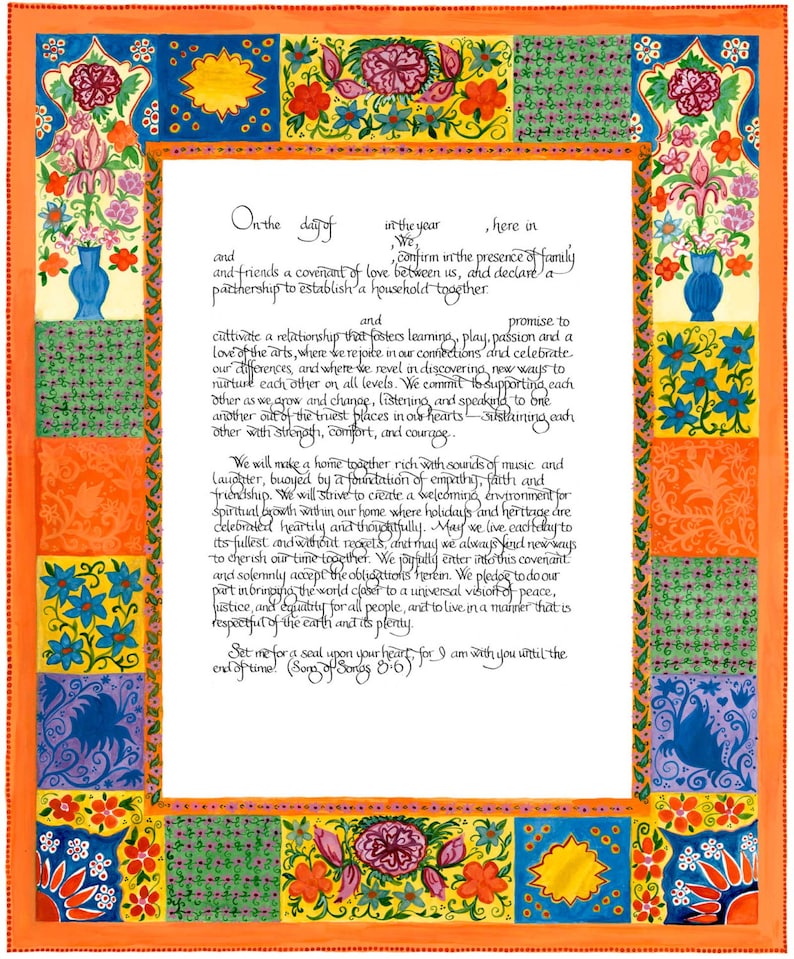
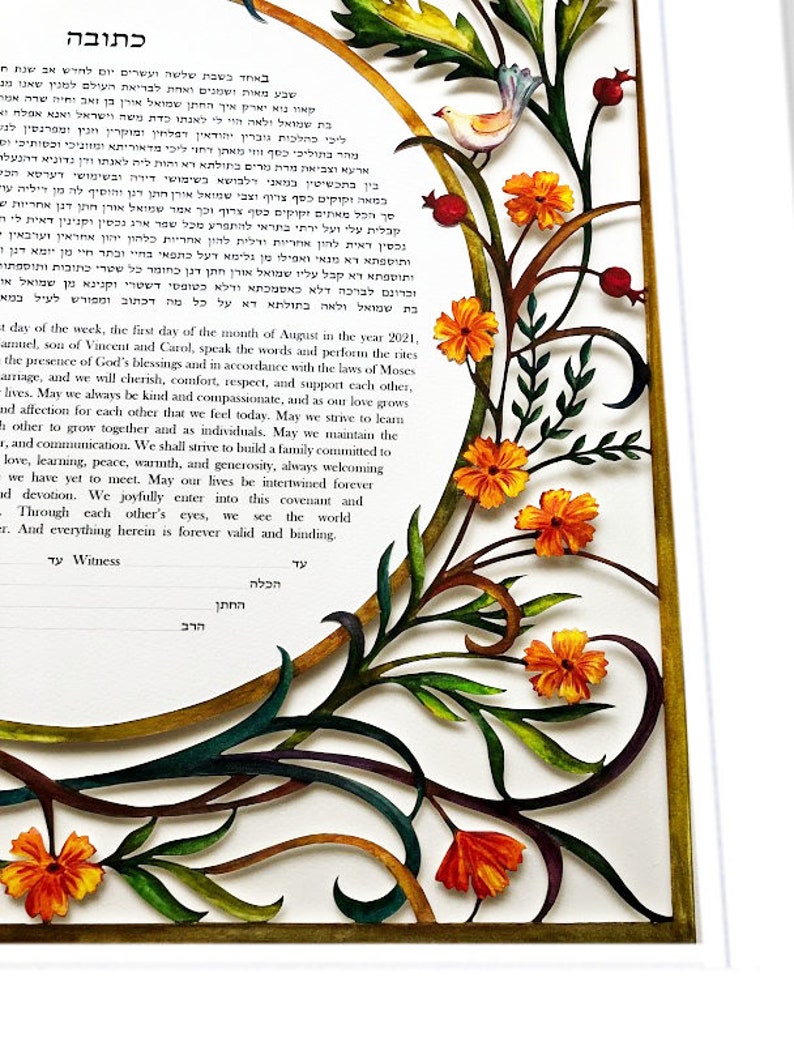
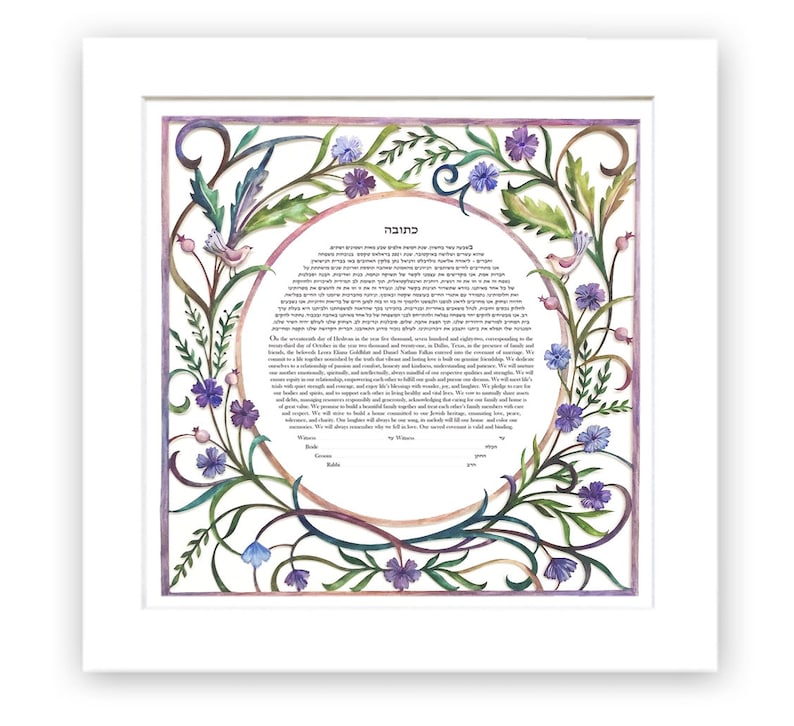
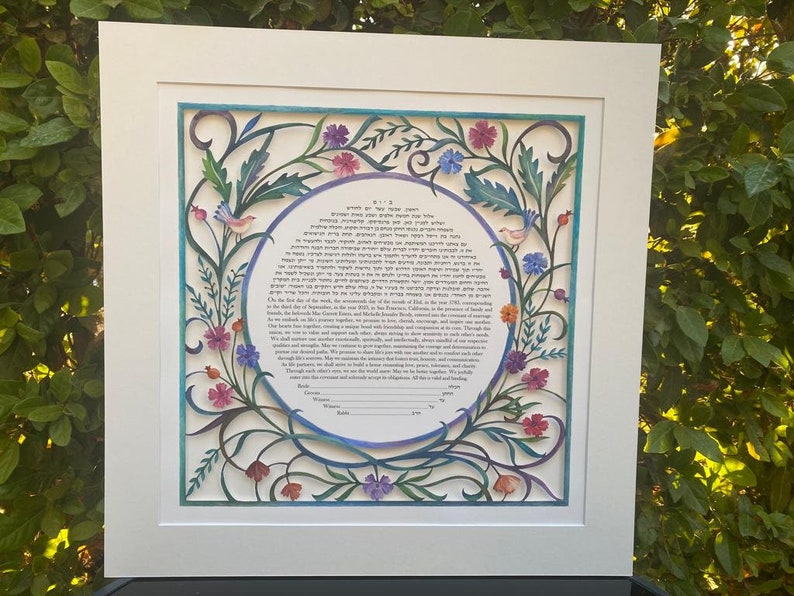
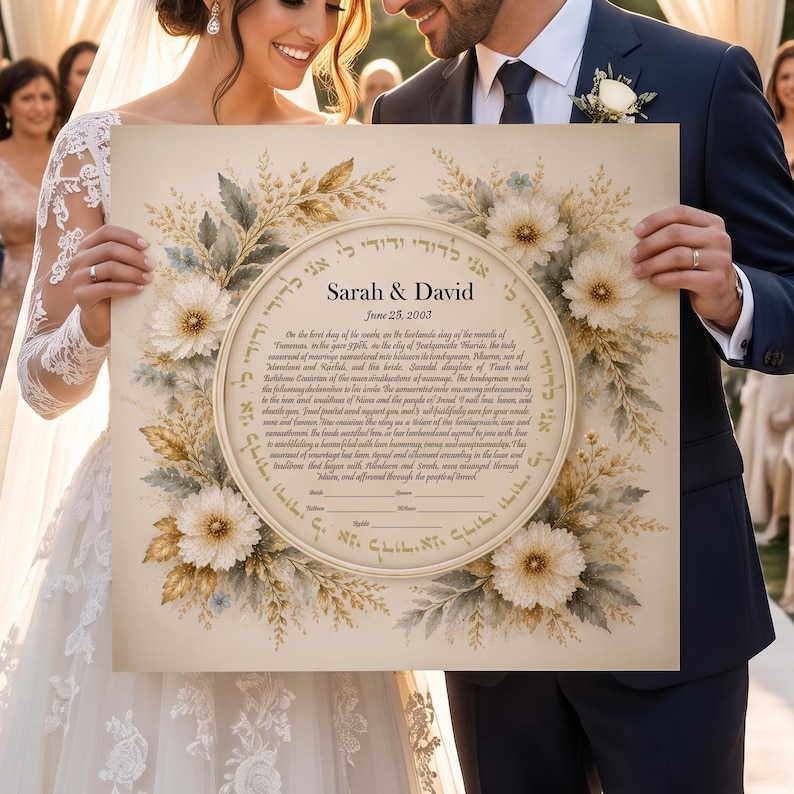
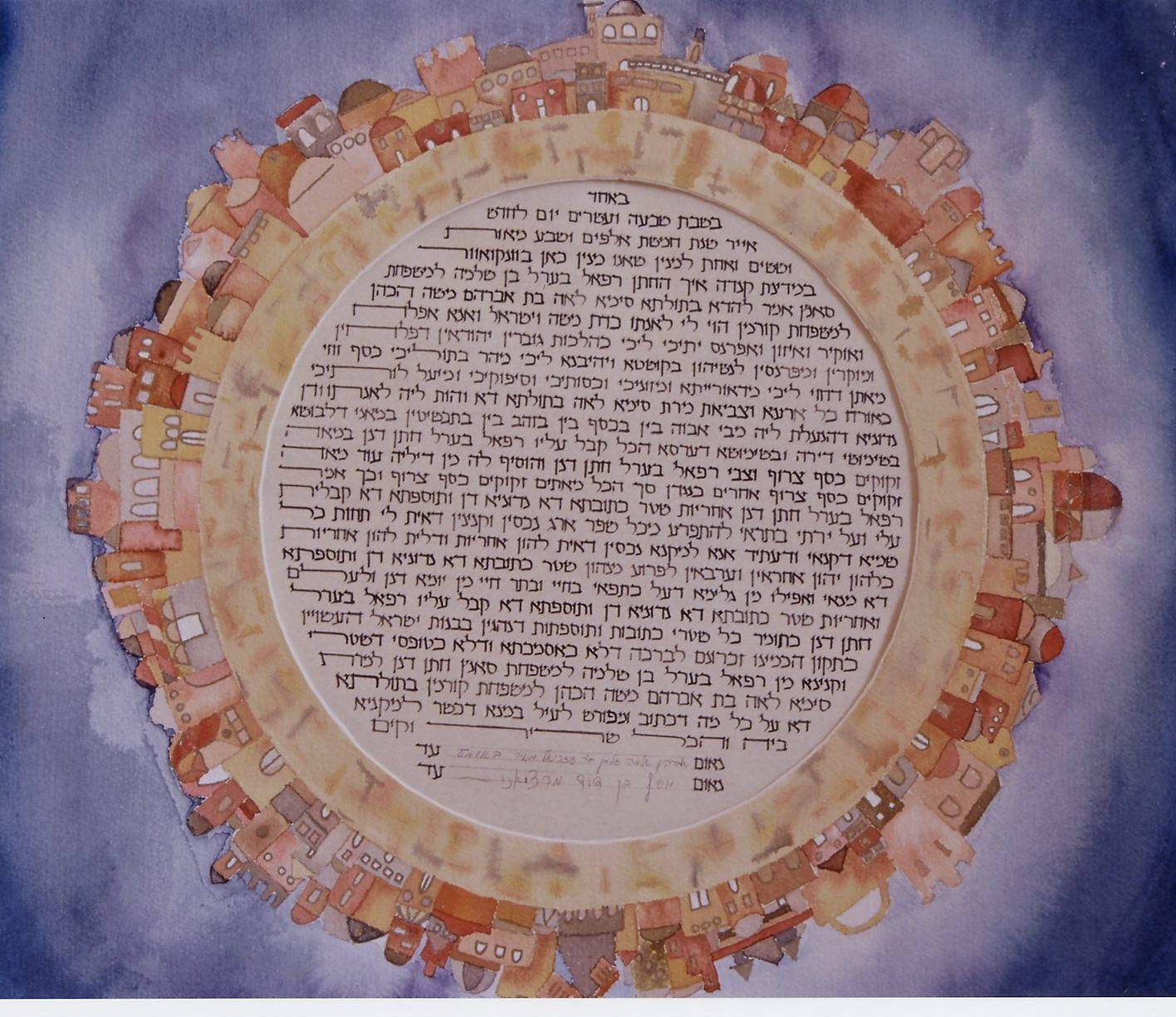
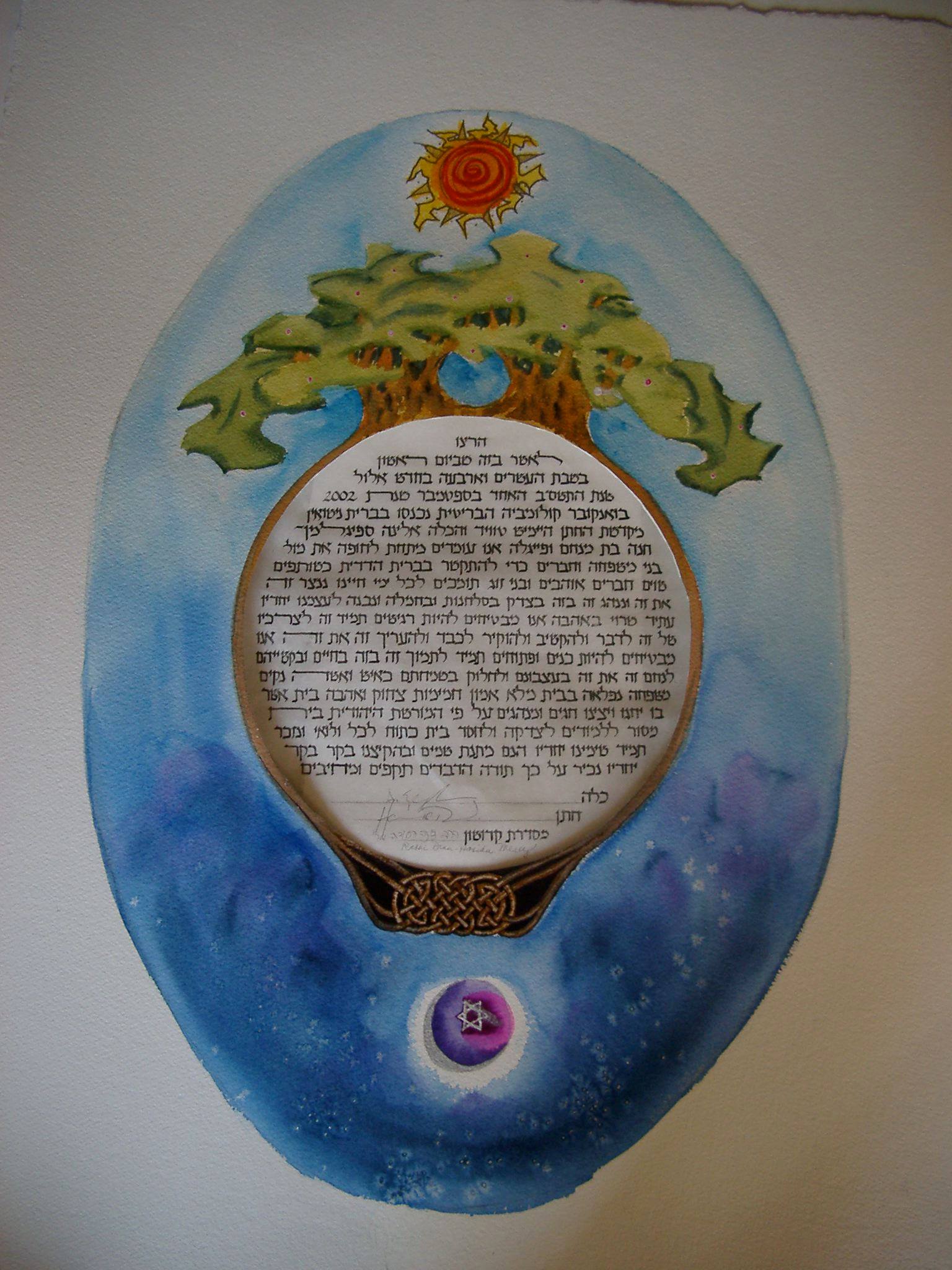
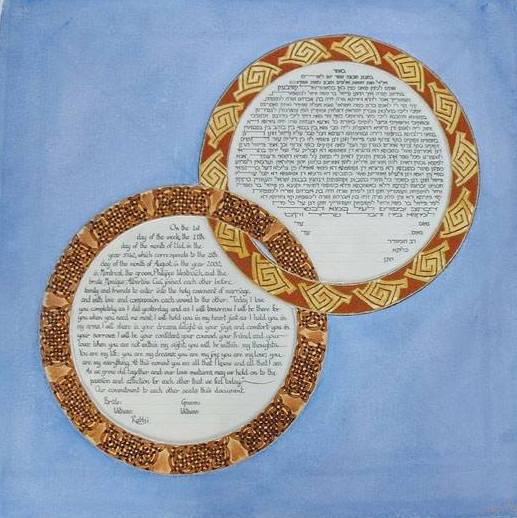
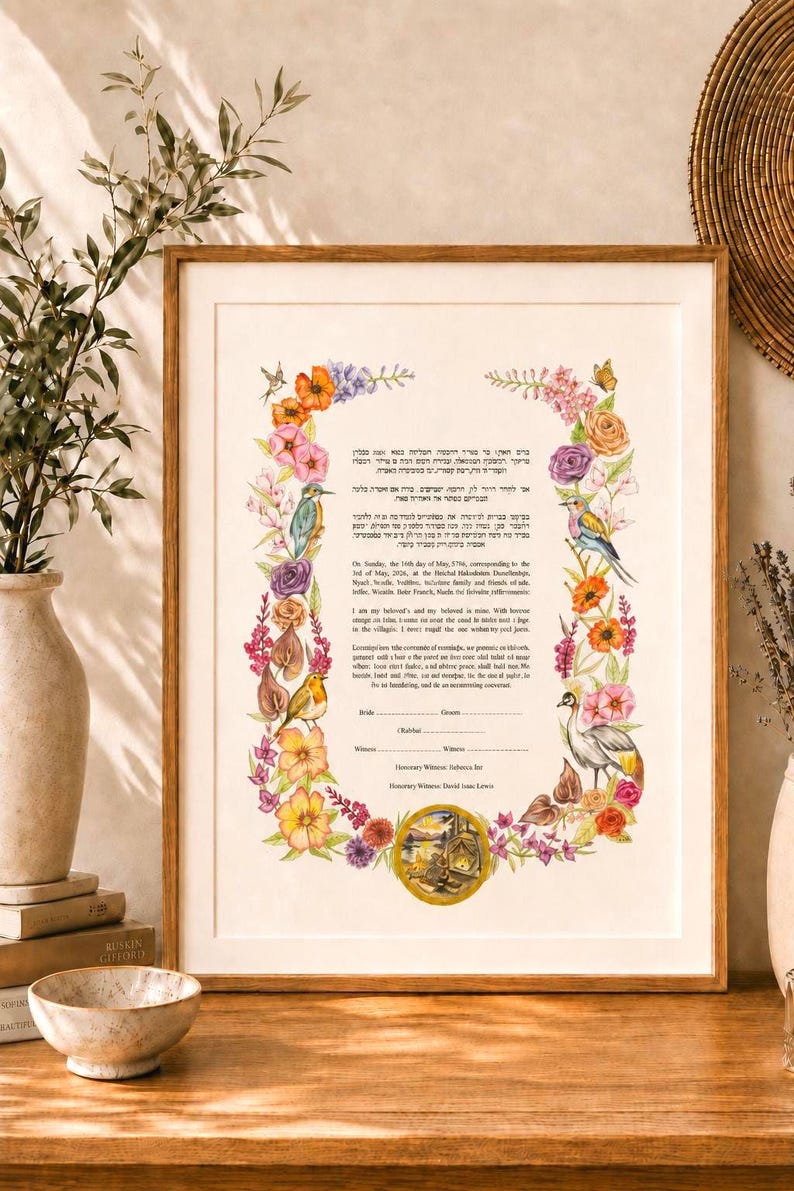
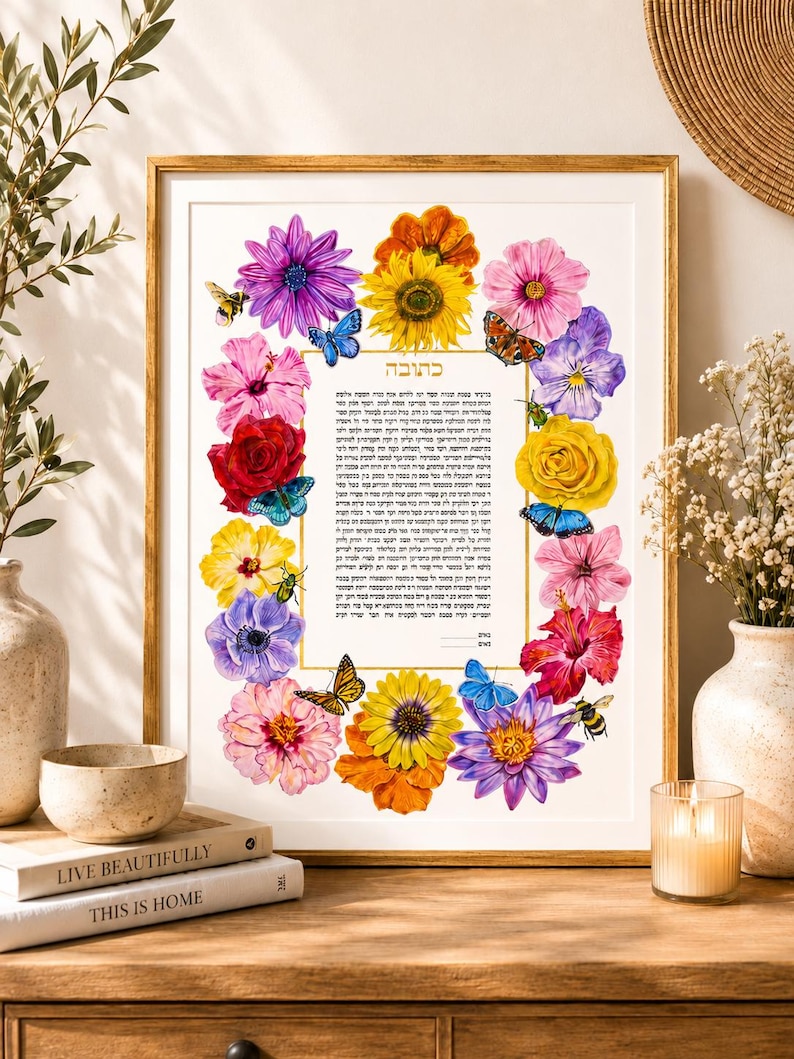
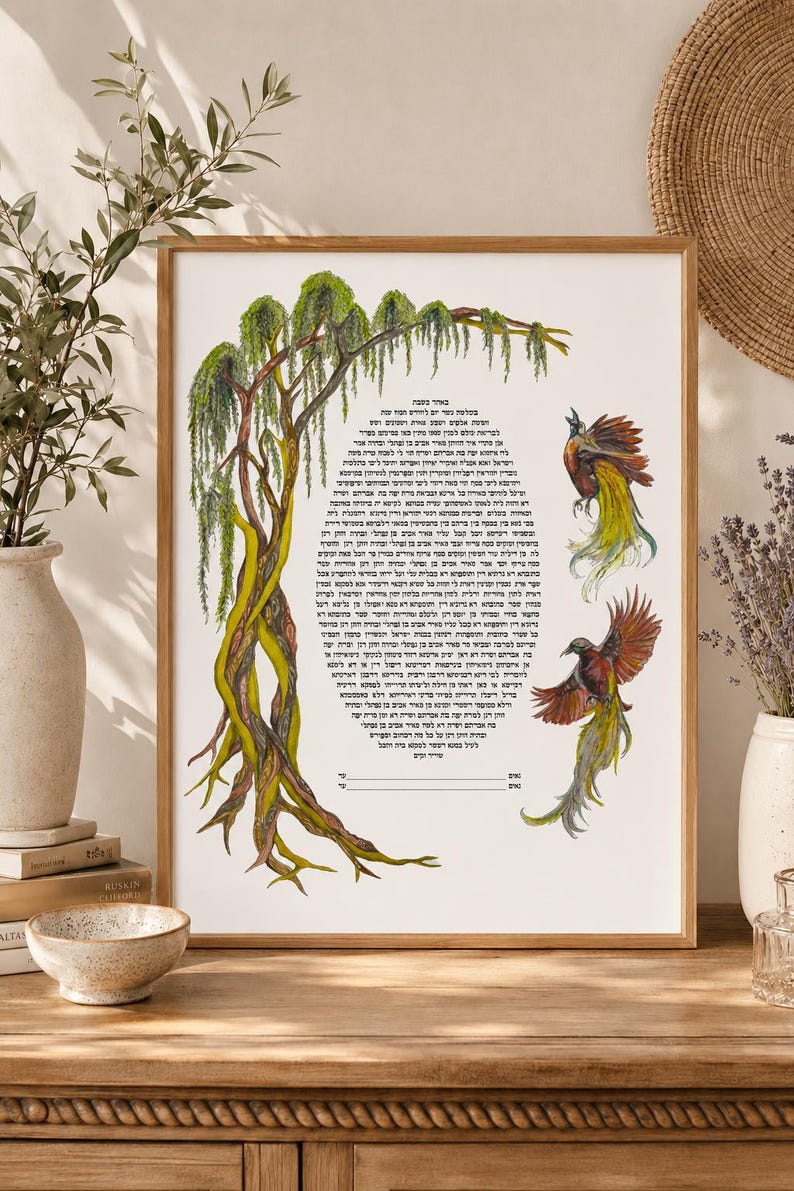
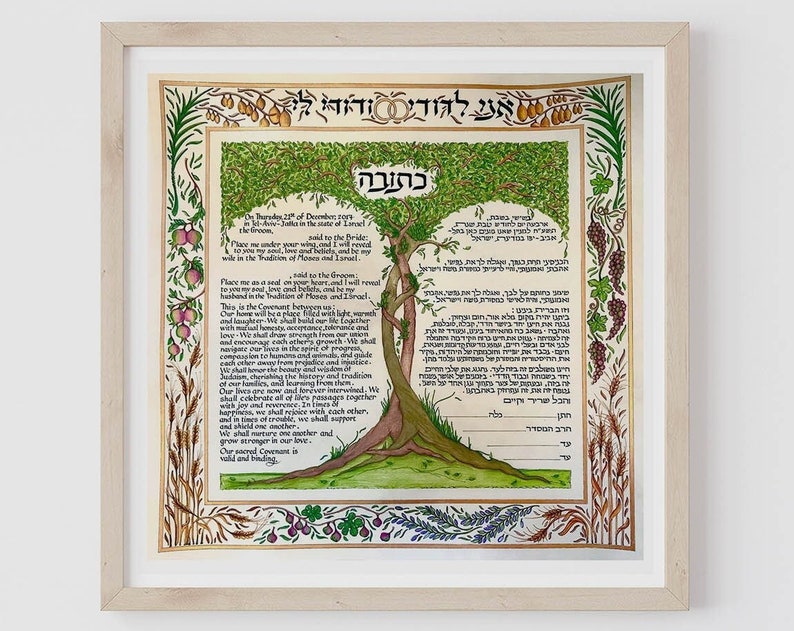
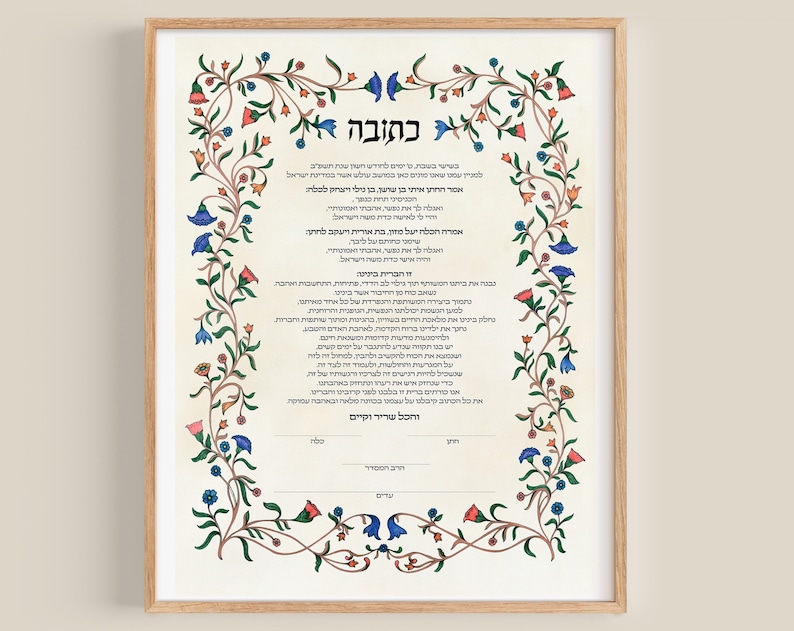
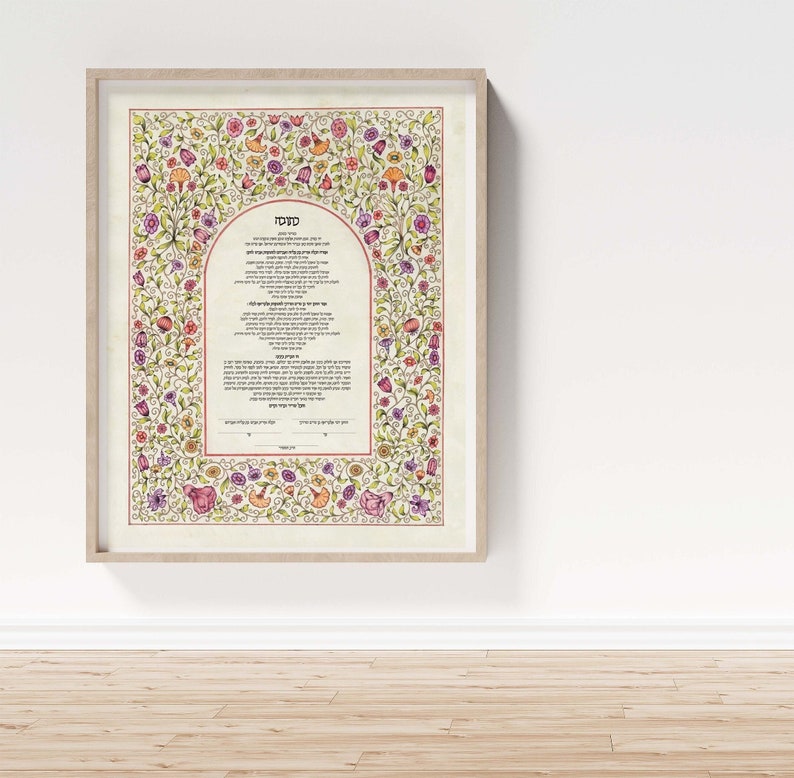
Traditional ketubahs carry the visual language of the past: illuminated borders, symmetry, gold, and hand lettering that echoes centuries of manuscripts. They are the natural choice for an Orthodox or Conservative text, and they anchor a ceremony in continuity. The finest examples are painted or papercut entirely by hand.

Artists in this style
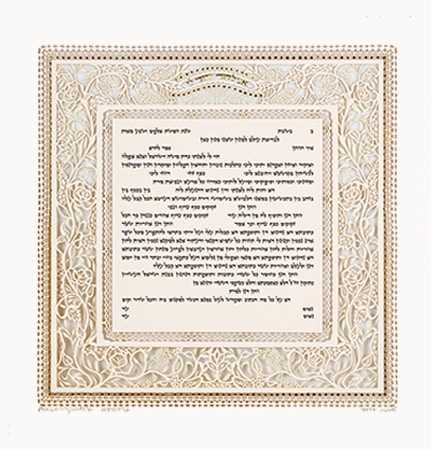
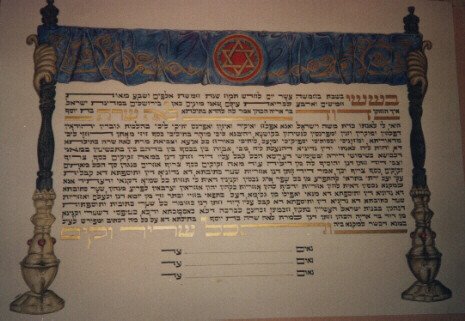
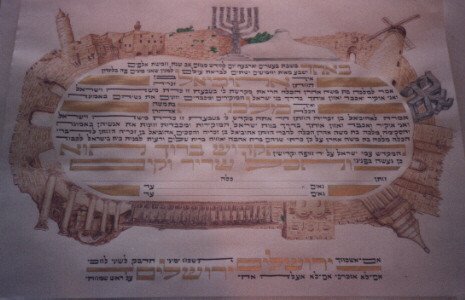
Ornate papercut ketubah with symmetrical border and warm gold detailing by Danny AzoulayContemporary ketubah with painted floral motifs and hand lettering by Danny AzoulayKetubah in blue tones with Jerusalem-inspired ornament by Danny Azoulay

Danny Azoulay

Jerusalem, Israel

Trained at Jerusalem's Bezalel Academy, Danny Azoulay works in hand-cut paper, painting, and gold leaf to create ketubahs rooted in classical Jewish ornament. His studio has produced marriage contracts for couples on every continent, each one built around detailed papercut borders and luminous color.

PapercutTraditionalJerusalem & Landscapes$$$
Ketubah with olive branches and a central star motif hand painted in gouache by Nikki GreenDeep red and gold ketubah with a geometric star by Nikki GreenWatercolor ketubah inspired by native Australian flora by Nikki Green

Nikki Green

Melbourne, Australia

Nikki Green hand-scripts and paints each ketubah in gouache, watercolor, ink, and 23kt gold or silver leaf on heavy Fabriano paper. Her contemporary designs blend the visual language of ancient manuscripts with motifs drawn from the Australian landscape, making every contract a one-of-a-kind commission.
TraditionalWatercolorFloral & Botanical$$$
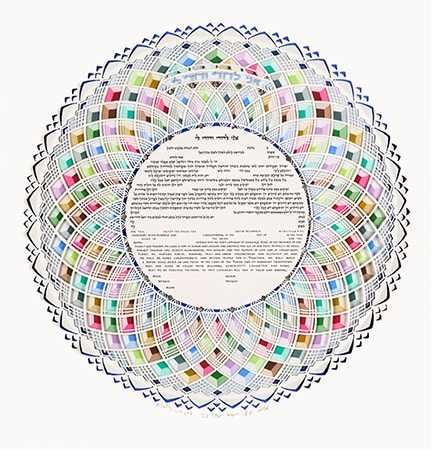
Nineteen-layer three-dimensional papercut ketubah titled Cubes by Noam ShargorodskyThree-dimensional papercut ketubah with an infinity design by Noam ShargorodskyPapercut ketubah featuring the Hebrew word Ahava, meaning love, by Noam Shargorodsky

Noam Shargorodsky

Jerusalem, Israel

Jerusalem-born artist Noam Shargorodsky creates handmade ketubahs using oils, watercolors, and 23k gold leaf under the studio name Ketubahome. Her pieces draw on Jewish texts and Israeli landscapes, with Jerusalem, the Old City, and the Western Wall recurring throughout her work.

PapercutJerusalem & LandscapesTraditional$$$

Mickie Caspi

Newton, Massachusetts, United States

Mickie Caspi has been designing Judaica and ketubahs for decades, working in watercolor, gouache, pen and ink, and gold leaf. Her contracts lean traditional and finely lettered, with border ornament that echoes historic illuminated manuscripts.

TraditionalWatercolorFloral & Botanical$$

Amy Fagin

New Salem, Massachusetts, United States

Amy Fagin creates illuminated ketubahs in the manuscript tradition, using acrylic, pastel, ink, and collage. Under her studio Twentieth Century Illuminations, she treats each contract as a small illuminated painting, richly detailed and built to last.

TraditionalFloral & Botanical$$$

Angela Munitz

South Africa

Born and raised in South Africa, Angela Munitz draws her ketubah designs from nature observed and painted directly. Her work is soft and botanical, built on close attention to flowers, leaves, and light.

Floral & BotanicalWatercolorTraditional$$

Not sure which style fits?

Our guide walks through modern vs traditional, papercut vs painted, and how to match the art to your text.

How to choose a ketubah